What Is High Blood Pressure?
High blood pressure, also known as hypertension, is a common condition in which the force of blood against the artery walls is consistently too high. Over time, this increased pressure can damage blood vessels and organs, particularly the heart, brain, kidneys, and eyes.
Blood pressure is measured in millimeters of mercury (mmHg) and recorded as two numbers:
- Systolic pressure — the top number, representing pressure when the heart beats.
- Diastolic pressure — the bottom number, representing pressure when the heart rests between beats.
A normal adult reading is typically below 120/80 mmHg. Readings consistently at or above 130/80 mmHg may indicate hypertension, depending on the guideline used.

Visual representation of blood pressure monitoring and cardiovascular awareness.
Blood Pressure Categories
Healthcare professionals use standard categories to interpret blood pressure readings. The table below follows the classification used by major cardiovascular organizations, including the American College of Cardiology and American Heart Association (ACC/AHA).
| Category | Systolic (mmHg) | Diastolic (mmHg) |
|---|---|---|
| Normal | Less than 120 | Less than 80 |
| Elevated | 120–129 | Less than 80 |
| Hypertension Stage 1 | 130–139 | 80–89 |
| Hypertension Stage 2 | 140 or higher | 90 or higher |
| Hypertensive Crisis | Higher than 180 | Higher than 120 |
Individual targets may vary based on age, overall health, and other medical conditions. A healthcare provider can help determine the appropriate goal for each person.

A historical perspective on how blood pressure has been understood over time.
How Common Is Hypertension?
Hypertension is one of the most common health conditions worldwide. According to the World Health Organization (WHO), an estimated 1.28 billion adults aged 30–79 years have hypertension, and approximately 46% of those affected are unaware of their condition.
The prevalence of hypertension has changed significantly over the decades due to aging populations, lifestyle shifts, and improved detection methods.
Comparative Overview: 1950 vs. 2026
| Aspect | 1950 | 2026 |
|---|---|---|
| Global Awareness | Limited public knowledge; routine screening uncommon. | Widespread awareness; regular screening encouraged. |
| Diagnostic Tools | Manual sphygmomanometers, mostly in clinical settings. | Digital monitors, wearable devices, and telehealth. |
| Treatment Options | Fewer medications; lifestyle advice less emphasized. | Multiple evidence-based medications and lifestyle programs. |
| Dietary Patterns | Lower processed food intake; higher sodium in some diets. | Increased processed foods; stronger focus on sodium reduction. |
| Public Health Priority | Emerging focus on cardiovascular disease. | Major global priority for reducing heart disease and stroke. |
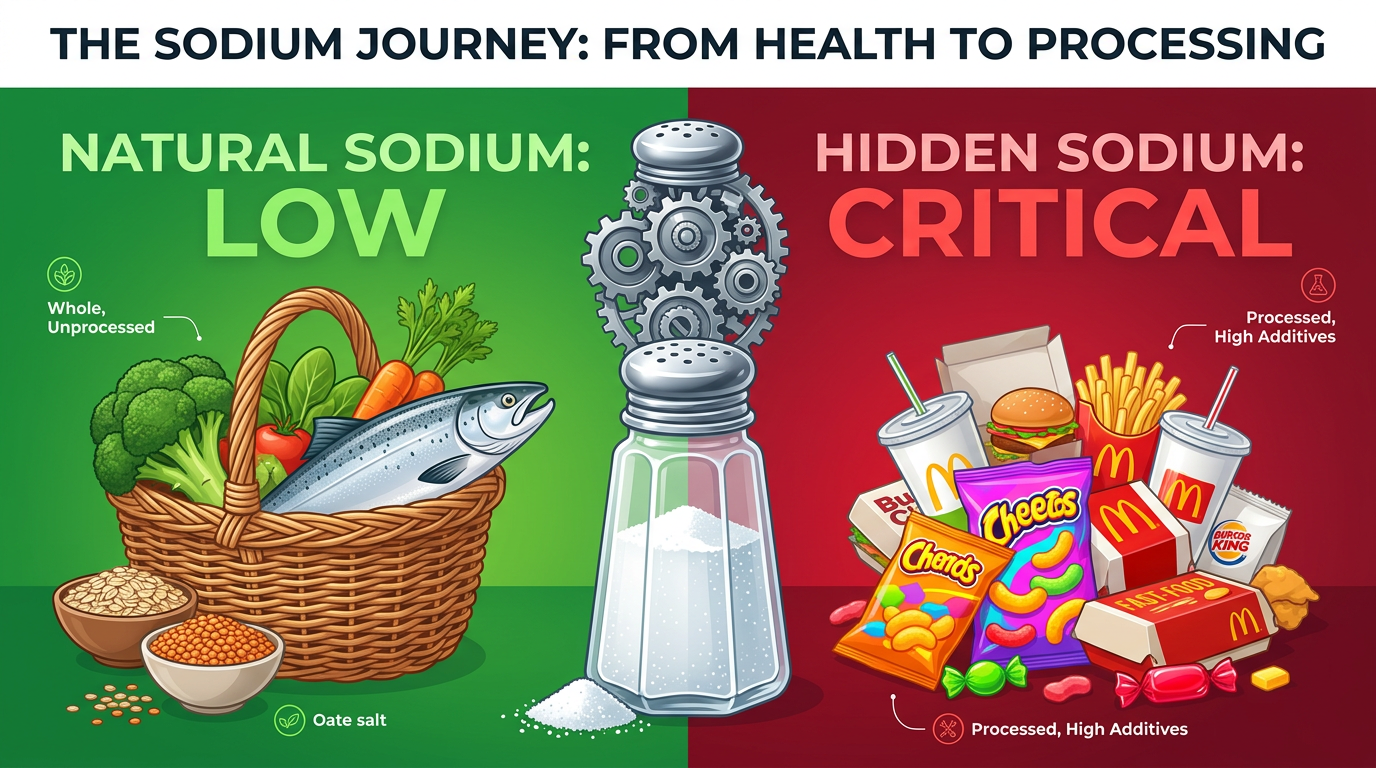
Dietary choices play a central role in managing blood pressure over time.
Risk Factors
Several factors can increase the likelihood of developing high blood pressure. Some are modifiable through lifestyle, while others are not.
Modifiable Risk Factors
- Unhealthy diet: High intake of sodium, saturated fats, and added sugars.
- Physical inactivity: Sedentary lifestyle is linked to weight gain and elevated blood pressure.
- Excess body weight: Obesity increases the workload on the heart.
- Excessive alcohol consumption: Drinking too much alcohol can raise blood pressure.
- Tobacco use: Smoking damages blood vessels and temporarily raises blood pressure.
- Chronic stress: Long-term stress may contribute to unhealthy coping behaviors.
Non-Modifiable Risk Factors
- Age: Blood pressure tends to rise with age.
- Family history: Genetics can influence susceptibility.
- Ethnicity: Some populations have a higher risk of hypertension.
- Chronic conditions: Diabetes, kidney disease, and sleep apnea can increase risk.

Regular physical activity supports cardiovascular health and blood pressure regulation.
Why High Blood Pressure Matters
Uncontrolled hypertension is a leading cause of serious health complications. Because it often progresses without symptoms, it is sometimes called the "silent" condition. The damage it causes can accumulate over years before problems become apparent.
Potential Health Consequences
- Heart disease: Hypertension increases the risk of coronary artery disease and heart failure.
- Stroke: High blood pressure is a major risk factor for both ischemic and hemorrhagic stroke.
- Kidney disease: Persistent pressure can damage the kidneys and reduce their ability to filter blood.
- Vision loss: Damage to blood vessels in the retina can impair vision.
- Cognitive decline: Research suggests a link between chronic hypertension and reduced cognitive function in later life.
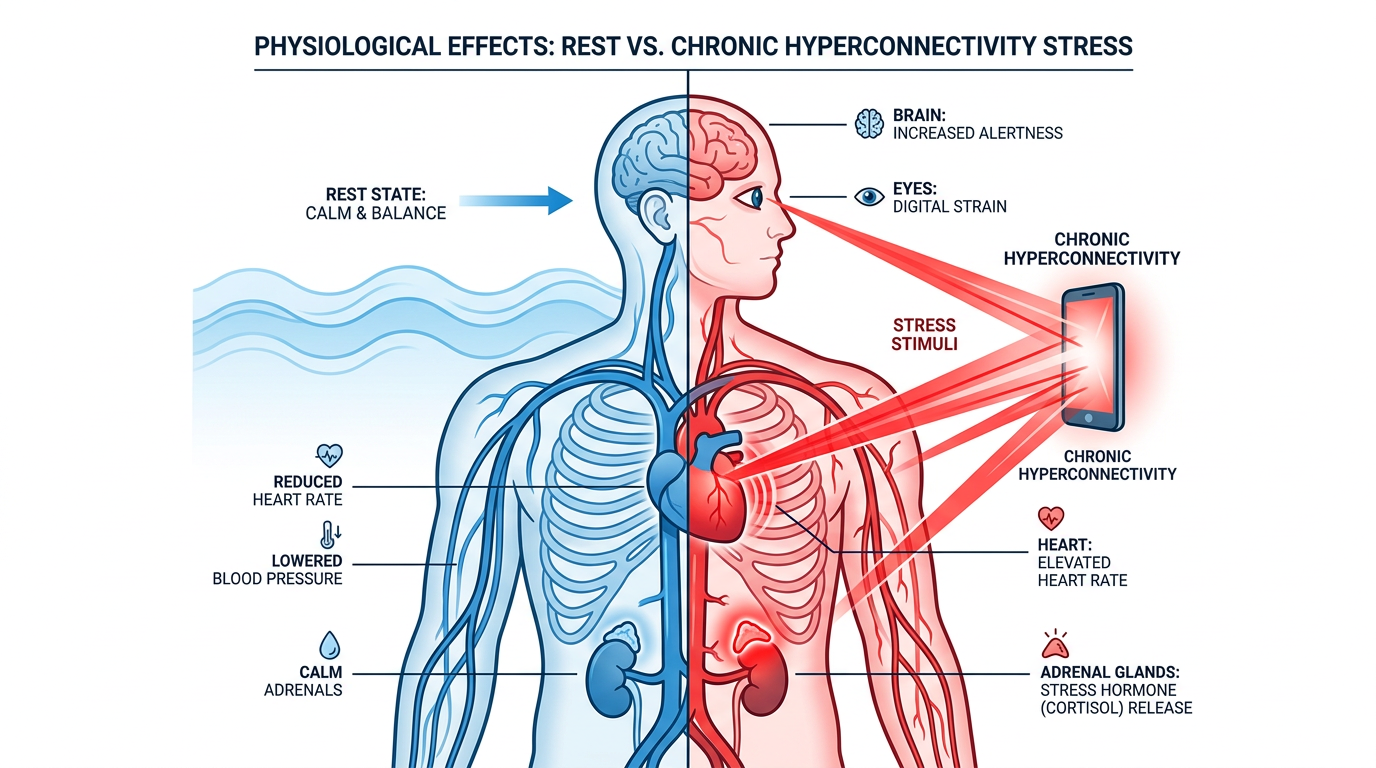
Stress management is one component of a comprehensive blood pressure strategy.
Prevention and Management
While some risk factors cannot be changed, many lifestyle choices can help prevent or manage high blood pressure. These recommendations are supported by organizations such as the CDC, WHO, and ACC/AHA.
Evidence-Based Strategies
- Reduce sodium intake: Aim for less than 2,300 mg of sodium per day, or as advised by a healthcare provider.
- Eat a balanced diet: Emphasize fruits, vegetables, whole grains, lean proteins, and healthy fats.
- Exercise regularly: At least 150 minutes of moderate aerobic activity per week is generally recommended.
- Maintain a healthy weight: Even modest weight loss can lower blood pressure.
- Limit alcohol: Moderation is key for blood pressure control.
- Quit smoking: Avoiding tobacco supports overall vascular health.
- Manage stress: Techniques such as mindfulness, adequate sleep, and social support may help.
- Monitor blood pressure: Regular checks help track changes and guide treatment.
Scientific Sources
This documentary is based on information from reputable health organizations. For more detailed guidance, please refer to the following resources:
- World Health Organization (WHO) — Hypertension
- Centers for Disease Control and Prevention (CDC) — High Blood Pressure
- American Heart Association (AHA) — High Blood Pressure
- American College of Cardiology (ACC)
Last reviewed for educational accuracy: 2026.